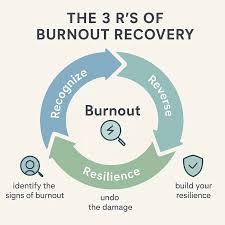
Burnout is a state of emotional, physical, and mental exhaustion. It happens from too much stress. It often involves feeling overwhelmed and unable to meet constant demands. Recognizing the signs early helps prevent it. Taking steps to manage stress and set boundaries is key. This protects your well-being.
What is Burnout?
Burnout is more than just being tired. It’s a serious response to long-term stress. Imagine a candle burning from both ends.
Eventually, it just melts away. That’s what burnout can feel like. It affects your mind, body, and spirit.
It’s often linked to your job. But it can happen in any area of life where you feel constant pressure.
There are three main signs. First, you feel worn out. You have no energy left.
Second, you feel distant from your work or life. You might feel cynical or negative. Things that used to matter don’t anymore.
Third, you feel less effective. You don’t think you can do things well. Your confidence drops.
My Own Burnout Story
I remember one particularly tough period. I was working on a huge project. My boss piled on more tasks.
I was also helping care for a sick parent. Sleep became a luxury. My meals were rushed.
I started making small mistakes at work. I felt a constant knot in my stomach. One evening, I sat at my desk.
The computer screen blurred. I just stared. Tears started to well up.
I felt completely overwhelmed. It was like a dark cloud followed me everywhere. I knew something had to change.
That feeling of total exhaustion was a harsh lesson.
Signs You Might Be Heading Towards Burnout
Feeling Tired All the Time: You wake up tired. You don’t feel rested, even after sleep. Your body feels heavy.
Losing Interest: Things you once enjoyed now feel like a chore. You don’t care about them anymore. Your passion fades.
Feeling Irritable: Small things annoy you easily. You snap at people. Your patience runs very thin.
Trouble Focusing: Your mind wanders. You can’t concentrate on tasks. It’s hard to get anything done.
Physical Aches: You might get frequent headaches. Your stomach feels upset. Your muscles might ache.
Why Does Burnout Happen?
Burnout isn’t usually caused by one big thing. It’s often a slow build-up. Many small stresses add up.
Think about constant deadlines. You might also have little control over your work. Or maybe you have unfair expectations.
Lack of support is another big factor. When you feel alone in your struggles, it gets harder.
Sometimes, it’s about our own habits. We might try to be perfect. We might say “yes” to too many things.
We might not take breaks. We might not ask for help. Our brains and bodies need time to rest and recharge.
When we don’t give them that, they start to break down. It’s like a car that never gets an oil change. Eventually, the engine will seize.
Common Burnout Triggers
- High Workload: Too much to do, not enough time.
- Lack of Control: Little say in your tasks or schedule.
- Unclear Expectations: Not knowing what’s truly needed.
- Poor Relationships: Conflict or lack of support from others.
- Lack of Recognition: Your hard work goes unnoticed.
- Values Mismatch: Your work doesn’t align with your beliefs.
The Real-World Impact of Burnout
Burnout affects more than just your mood. It can damage your health. Your immune system gets weaker.
You might get sick more often. Chronic stress can lead to heart problems. It can also affect your sleep quality.
You might feel tired and restless at night. Mental health suffers too. Anxiety and depression are common.
Your relationships can feel the strain. You might withdraw from friends and family. You might have less patience for them.
Your work performance drops. This can create a vicious cycle. You feel bad about your work.
This makes you try harder, leading to more stress. It’s a tough trap to escape. In U.S.
homes, this often shows up as skipping family dinners or events due to work exhaustion.
Burnout vs. Stress: What’s the Difference?
Stress
Feeling: Over-engaged, hyperactive, urgent, loss of energy.
Symptoms: Anxiety, worry, fast heartbeat, muscle tension.
Outcome: Can be motivating in small doses.
Burnout
Feeling: Disengaged, numb, empty, helpless, hopeless.
Symptoms: Detachment, depression, lack of motivation, fatigue.
Outcome: Leads to loss of interest and effectiveness.
How to Avoid Burnout: Practical Steps
Avoiding burnout is about making smart choices. It’s not about being lazy. It’s about being wise.
You need to protect your energy. You need to take care of yourself. This is not selfish.
It’s necessary for you to be there for others.
Start by looking at your schedule. Are you trying to do too much? Can you say “no” to some things?
It’s okay to decline requests. Your time and energy are valuable. Think about where your energy is going.
Make sure you are also spending some on things that bring you joy.
Setting Healthy Boundaries
Boundaries are like fences. They protect what’s important to you. They keep out what you don’t need.
For work, this means setting clear limits. Don’t check emails late at night. Try to leave work at work.
Your evenings and weekends are for rest and recovery.
In your personal life, boundaries matter too. You don’t have to be available to everyone all the time. It’s okay to say you need quiet time.
It’s okay to limit contact with people who drain you. Learning to set boundaries is a skill. It takes practice.
But it’s one of the most powerful tools against burnout.
Setting Work Boundaries Like a Pro
- Define Your Hours: Decide when you start and finish. Stick to them.
- “No” is a Complete Sentence: You don’t need to over-explain why you can’t take on more.
- Turn Off Notifications: Silence work alerts outside of work hours.
- Schedule Breaks: Plan short breaks during the day. Get up and move.
- Communicate Clearly: Let colleagues know your availability.
Prioritizing Self-Care
Self-care is not a luxury. It’s a necessity. What does self-care look like?
It’s different for everyone. For some, it’s reading a book. For others, it’s taking a long bath.
It could be going for a walk in nature. It might be listening to music.
The key is to find activities that truly help you relax. They should help you feel refreshed. Make time for these activities.
Schedule them like you would any other important appointment. Even 15 minutes can make a difference. Your mental and physical health depend on it.
Quick Self-Care Ideas
Movement
Go for a short walk.
Stretch your body.
Mindfulness
Take 5 deep breaths.
Meditate for a few minutes.
Connection
Call a friend.
Hug a loved one.
Managing Stress Effectively
Stress is a normal part of life. It’s how we handle it that matters. There are many ways to manage stress.
Deep breathing exercises are simple and effective. They can calm your nervous system quickly. Progressive muscle relaxation is another technique.
You tense and then release different muscle groups.
Exercise is a powerful stress reliever. It helps your body release endorphins. These are natural mood boosters.
Finding a hobby you love can also help. It gives you a way to escape worries. Spend time outdoors.
Fresh air and sunlight can lift your spirits. Even small amounts of nature can help. The Consumer Reports often highlight how simple habits reduce stress.
Seeking Support When Needed
You don’t have to go through tough times alone. Asking for help is a sign of strength. Talk to your friends or family.
Share what you’re going through. Sometimes just talking about it helps. If you feel overwhelmed, consider talking to a professional.
Therapists and counselors are trained to help people manage stress and burnout.
Your employer might have resources too. Many companies offer employee assistance programs (EAP). These programs can provide confidential counseling.
Don’t hesitate to reach out. You deserve support. Finding the right support system makes a big difference.
It’s like having a safety net. It catches you when you’re about to fall.
When to Seek Professional Help
- Persistent feelings of sadness or hopelessness.
- Difficulty functioning in daily life.
- Thoughts of harming yourself or others.
- Substance abuse to cope with stress.
- Physical symptoms that don’t improve.
Rest and Recovery: The Unsung Heroes
In our busy world, rest is often seen as weak. But it’s actually crucial for strength. Your body and mind need time to heal.
This means getting enough sleep. Aim for 7-9 hours a night. Create a relaxing bedtime routine.
Avoid screens before bed.
Beyond sleep, take intentional breaks. Schedule days off. Use your vacation time.
Even short breaks during the day are important. Step away from your desk. Go outside for a few minutes.
These moments help reset your mind. They prevent exhaustion from building up. Think of rest not as time lost, but as time invested.
Signs You Need More Rest
Cognitive Signs
Difficulty concentrating.
Memory problems.
Poor judgment.
Physical Signs
Feeling weak or fatigued.
Increased aches and pains.
Getting sick often.
Mindfulness and Being Present
Burnout often comes from worrying about the future or dwelling on the past. Mindfulness helps you focus on the here and now. It means paying attention to your thoughts and feelings without judgment.
This can reduce stress. It helps you appreciate the moment.
You can practice mindfulness anywhere. While eating, focus on the taste and texture of your food. While walking, notice the sights and sounds around you.
Even a few minutes of mindful breathing can calm your mind. It brings you back to yourself. This helps you feel more grounded.
Re-evaluating Your Goals and Values
Sometimes, burnout happens because we’re chasing the wrong things. Are your goals aligned with your values? Do you feel like you’re living a life that matters to you?
Take time to reflect. What is truly important to you? What makes you feel fulfilled?
It’s okay if your priorities change over time. As you grow, what you want from life might shift. Be honest with yourself.
If your current path isn’t bringing you joy, it might be time for a change. This could mean changing jobs, or just changing how you approach your current one. Making changes aligned with your values is a powerful way to prevent burnout.
Questions for Self-Reflection
Your Core Values
What principles guide your life?
What do you stand for?
Your Life Purpose
What makes you feel alive?
What impact do you want to make?
Your Ideal Day
What would your perfect day look like?
What activities would fill it?
What This Means for You
Understanding burnout is the first step. Recognizing its signs in yourself is crucial. It means you might need to make some adjustments.
This isn’t a sign of weakness. It’s a sign of self-awareness. It means you’re listening to your body and mind.
When is burnout normal? It’s not normal to feel this way all the time. Occasional tiredness is fine.
But constant exhaustion and cynicism are red flags. When should you worry? If burnout symptoms are severe and persistent, it’s time for a serious look.
If it affects your ability to function, seek help immediately. Simple checks include assessing your sleep, energy levels, and enjoyment of daily tasks.
Quick Tips to Combat Burnout
Here are some simple things you can do today.
- Take a 5-minute break: Stand up, stretch, look out a window.
- Drink a glass of water: Hydration is important for energy.
- Say “no” once: Decline one non-essential request.
- Listen to one song you love: Let the music lift your mood.
- Step outside: Even a few minutes of fresh air can help.
- Write down one thing you’re grateful for: Focus on the positive.
Frequent Questions About Avoiding Burnout
What is the fastest way to recover from burnout?
There isn’t one single “fastest” way, as recovery is personal. However, immediate steps often include taking time off if possible, reducing demands, and focusing intensely on rest and basic self-care like sleep and nutrition. Seeking professional support can also speed up the process by providing tailored strategies.
Can burnout be cured?
Burnout can be overcome and managed effectively. It’s more about learning to prevent it and create sustainable habits than a simple “cure.” By addressing the root causes and implementing lifestyle changes, individuals can recover and build resilience against future burnout.
How much rest is enough to avoid burnout?
Getting enough sleep (7-9 hours for most adults) is vital. Beyond sleep, consistent breaks throughout the day and longer periods of rest like weekends and vacations are essential. The amount needed varies, but the goal is to regularly recharge your physical and mental energy stores.
What’s the difference between stress and burnout?
Stress often makes you feel over-engaged and hyperactive, with a sense of urgency. Burnout, however, leads to feelings of emptiness, helplessness, and disengagement. While stress can be managed, burnout often requires significant life changes and recovery time to overcome.
Can you experience burnout from too much exercise or hobbies?
Yes, it’s possible. While exercise and hobbies are usually beneficial, overdoing them to the point of exhaustion, neglecting other needs, or feeling pressure to perform can lead to a form of burnout. It’s about balance and listening to your body’s signals.
What are the first signs of burnout I should watch for?
The earliest signs often include persistent fatigue, difficulty concentrating, increased irritability, feeling cynical or detached from your activities, and a general sense of dread or overwhelm. Paying attention to these subtle shifts can help you intervene early.
Final Thoughts
Avoiding burnout is an ongoing practice. It’s about creating a life that supports your well-being. Be kind to yourself.
Listen to your body. Make small, consistent changes. You can build a life that is both productive and peaceful.
It is possible to thrive without feeling completely drained.