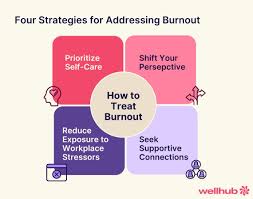
Feeling that constant exhaustion? It’s a tough spot to be in. Many of us hit a wall at work.
We feel drained and unmotivated. This can feel overwhelming. But there are ways to fight back.
You can find balance again. This guide will show you how.
Burnout prevention at work involves recognizing its signs, understanding its causes, and implementing proactive strategies like setting boundaries, prioritizing self-care, and seeking support to maintain well-being and productivity without sacrificing health.
Understanding Burnout: What It Is and Why It Happens
Burnout is more than just being tired. It’s a state of mental and physical exhaustion. It comes from too much stress.
This stress lasts a long time. It often happens at work. It can make you feel empty.
You might lose interest in your job. You might feel like you can’t do it anymore.
There are key signs to watch for. You might feel tired all the time. Sleep might not help.
Your motivation can disappear. Little things might start to bother you more. You may feel more negative or cynical.
Your work quality can drop. This is not your fault. It’s your body and mind telling you something is wrong.
Why does it happen? Many things can cause burnout. Heavy workloads are a big one.
Too much work and not enough time. This creates constant pressure. Unclear expectations are also tough.
Not knowing what people want from you makes work hard. Lack of control over your job adds to stress. Feeling like you can’t make decisions is draining.
Poor relationships at work play a role too. If you don’t get along with your boss or coworkers, it’s harder. Feeling unappreciated is a major factor.
When your hard work goes unnoticed, it’s discouraging. Sometimes, the job itself doesn’t match your values. This disconnect can lead to deep unhappiness.
The digital world adds its own layer. Always being “on” is tiring. Emails and messages can flood in.
We feel pressured to respond fast. This blurs the lines between work and home. This makes it hard to truly rest and recharge.
It’s a common problem in today’s fast-paced world.
Think of it like a phone battery. If you keep using it without charging, it will die. Your energy works the same way.
If you only take, take, take from yourself, you will run out. Burnout prevention is about finding ways to recharge. It’s about managing your energy wisely.
It’s important to remember that burnout is not a sign of weakness. It is a sign of trying too hard for too long. It shows you care about your work.
But you need to care for yourself too. That’s where prevention comes in. We need to build resilience.
We need to create habits that protect us.
This issue affects millions. The mental toll is immense. It impacts physical health too.
Stress can lead to many health problems. It’s not just about feeling bad. It’s about your overall well-being.
Addressing burnout is an investment in yourself. It’s an investment in a happier, healthier future.
Let’s dive deeper into what causes this. Knowing the roots helps us find the right roots to pull. It’s like a doctor diagnosing an illness.
You need to know what’s causing the pain to heal it. We will explore the common culprits one by one.
Many research studies point to similar causes. Organizations like the World Health Organization (WHO) recognize burnout. They classify it as an occupational phenomenon.
This shows it’s a real issue. It’s not something people imagine. It’s a consequence of workplace conditions.
It’s a gradual process. It doesn’t happen overnight. You might notice small changes first.
Then they grow. It’s like a slow leak in a pipe. At first, you might not see it.
But over time, it causes real damage. We need to spot those leaks early.
The core of burnout often lies in a mismatch. This mismatch can be between you and your job. It can be between your expectations and reality.
It can be between the demands and your resources. Finding this balance is key to preventing it.
My Own Wake-Up Call: The Night the Coffee Didn’t Help
I remember one Tuesday night. It was past midnight. I was hunched over my laptop.
My eyes burned. My shoulders ached. I was working on a big project.
Deadlines were looming. I felt like I was drowning in tasks. I told myself I just needed more coffee.
I made a fresh pot, dark and strong.
I took a big sip. It was bitter. It tasted like ashes.
And the weirdest thing happened. It didn’t wake me up. It didn’t help.
It just sat there. My body felt heavy. My mind felt foggy.
It was like my system had just shut down. I felt a wave of panic wash over me. I was so tired, truly exhausted.
This wasn’t just work stress anymore. This was something deeper.
I looked around my messy desk. Papers were everywhere. Empty water bottles.
A half-eaten granola bar. It felt like a battlefield. I had been pushing myself so hard for months.
I skipped lunches. I worked weekends. I told myself it was worth it.
But in that moment, I wasn’t sure anymore. The coffee was a sign. My body was screaming for a break.
I realized I couldn’t keep going like this.
That night, I didn’t finish the project. I just closed my laptop. I went to bed.
I slept for a long, long time. It was a wake-up call I desperately needed. It showed me that burnout prevention at work wasn’t just a nice idea.
It was essential for my survival. It’s a lesson I’ve carried ever since.
Common Triggers for Workplace Burnout
Feeling Overwhelmed: Constantly having too much to do with too little time. This is a huge stressor.
Lack of Control: Not having a say in your work or schedule. This can feel disempowering.
Unrewarding Work: Not seeing the point of your tasks or feeling unappreciated for your efforts.
Poor Relationships: Conflict with colleagues or a lack of support from management.
Unfairness: Feeling that work is distributed unfairly or that rules are applied unevenly.
Value Mismatch: When your personal ethics or values clash with company practices.
Recognizing the Signs: Early Warning Signals of Burnout
Spotting burnout early is key. It’s like noticing a small crack in a wall. You can fix it easily then.
If you wait, it can become a big problem. We’ve touched on some signs. Let’s look at them more closely.
This helps you know what to watch for in yourself and others.
One of the first signs is persistent fatigue. This isn’t just normal tiredness. It’s a deep, bone-weary exhaustion.
It doesn’t go away with rest. You might feel like you have no energy. Even simple tasks feel like huge efforts.
This physical drain can affect your mood and thinking.
Another big sign is cynicism or detachment. You might start feeling negative about your job. Things you once enjoyed might feel pointless.
You might become more irritable. You may distance yourself from colleagues. It’s like you’re watching your work from afar.
You lose that connection to your purpose.
A decline in performance is also common. You might make more mistakes. Your focus can waver.
It can be hard to concentrate. Deadlines might start to slip. This isn’t because you’re lazy.
It’s because your brain is exhausted. It can’t function at its best.
You might also experience physical symptoms. Headaches are frequent. Stomach problems can arise.
Sleep disturbances are very common. You might have trouble falling asleep. Or you might wake up often.
This lack of quality sleep makes everything worse.
Loss of enjoyment is another key indicator. Things you used to find fulfilling now feel empty. Hobbies might lose their appeal.
You might feel a general sense of apathy. This can extend beyond work into your personal life.
Feeling overwhelmed is a constant state. Even small tasks seem impossible. You might feel like you’re constantly behind.
This feeling can lead to anxiety. It can make it hard to relax. Even when you’re not working, you’re thinking about work.
Irritability and a short temper are also signs. Small annoyances can set you off. You might snap at colleagues or loved ones.
This is often a sign that your stress levels are too high. You have less patience than usual.
Think about your own daily life. Are you constantly feeling rushed? Do you dread Mondays?
Do you feel empty at the end of the day? These are all important questions to ask yourself. Listening to your body is crucial.
Quick Checklist: Are You Showing Signs of Burnout?
- Constant Fatigue: Do you feel tired even after a good night’s sleep?
- Cynicism: Have you become negative or detached about your job?
- Reduced Performance: Are you struggling to focus or making more mistakes?
- Physical Ailments: Are you experiencing frequent headaches or stomach issues?
- Loss of Interest: Do you no longer enjoy things you once did, at work or home?
- Feeling Overwhelmed: Does even a small task feel too big to handle?
- Irritability: Do you find yourself snapping at people easily?
Building Your Defense: Strategies for Preventing Burnout
Preventing burnout is an ongoing practice. It’s not a one-time fix. It requires consistent effort.
But the rewards are immense. You gain control over your well-being. You can enjoy your work and life more.
Let’s explore some effective strategies.
Setting clear boundaries is vital. Decide when work starts and ends. Try not to check emails late at night.
Turn off notifications. Protect your personal time. Your brain needs downtime to recover.
This is non-negotiable for good burnout prevention at work.
Learn to say no. It’s okay to decline extra tasks. Especially if your plate is already full.
Assess your capacity before agreeing to anything new. Saying yes to everything can lead to overload. Be realistic about what you can handle.
Prioritize self-care. This is not selfish. It’s essential.
Make time for activities you enjoy. This could be exercise, reading, or spending time with loved ones. Even short breaks during the day help.
Step away from your desk. Go for a walk. Stretch.
Take your vacation days. Don’t let them go to waste. A real break can recharge your batteries.
Step away from your usual routine. This helps you come back refreshed. It’s a chance to gain new perspective.
Manage your workload effectively. Break down large projects into smaller steps. This makes them feel less daunting.
Learn to delegate if possible. Ask for help when you need it. Don’t try to be a superhero.
Focus on what you can control. You might not control everything. But you can control your reactions.
You can control how you manage your time. You can control your self-care habits. Focus your energy where it makes a difference.
Seek support from others. Talk to friends, family, or colleagues. Sharing your feelings can be very helpful.
A good support system can offer comfort and advice. Sometimes just talking it out makes a big difference.
Talk to your manager. If your workload is too high, discuss it. Be clear about your concerns.
They might be able to help adjust your tasks or deadlines. Open communication is key.
Practice mindfulness or meditation. These techniques can help calm your mind. They can reduce stress and anxiety.
Even a few minutes a day can have a positive impact. It helps you stay present and focused.
Find meaning in your work. Connect with why you started. Remind yourself of the positive impact you make.
Even small wins can boost your morale. Celebrate your achievements.
Regularly assess your stress levels. Pay attention to how you feel. Don’t ignore the warning signs.
If you feel things slipping, take action. Adjust your strategies as needed.
Remember, building resilience takes time. Be patient with yourself. Small, consistent changes are more effective than drastic ones.
This is about long-term well-being.
Your Daily Burnout Prevention Toolkit
- Morning Routine: Start your day with something calming, not emails.
- Mid-day Break: Step away from your screen for at least 10-15 minutes.
- Hydration & Nutrition: Drink water and eat balanced meals. Avoid skipping meals.
- Movement: A short walk or stretching session can boost energy.
- Mindful Moment: Take a few deep breaths. Focus on your senses.
- Evening Wind-Down: Disconnect from work at least an hour before bed.
- Sleep Hygiene: Create a relaxing bedtime routine for better rest.
The Role of Workplace Culture in Burnout Prevention
It’s not just about individual actions. The environment you work in matters a lot. A toxic workplace can fuel burnout.
A supportive one can help prevent it. Workplace culture plays a huge role. Companies have a responsibility too.
A culture of overwork is damaging. If everyone is expected to work late every day, it sets a bad tone. Leaders should model healthy habits.
They should encourage breaks. They should respect personal time. This sends a clear message that well-being is valued.
Clear communication is crucial. When expectations are fuzzy, people get stressed. Knowing what is expected of you reduces anxiety.
Regular feedback helps people feel seen and heard. It also allows for course correction.
Autonomy and control are important. When employees have some say in how they work, they feel more engaged. This sense of control reduces stress.
It makes people feel more empowered.
Recognition and appreciation go a long way. When good work is acknowledged, people feel valued. This boosts morale.
It makes the effort feel worthwhile. This can be simple thank-yous or more formal recognition.
Fairness in workload and rewards is essential. If some people are constantly overloaded while others have light duties, it breeds resentment. This unfairness can be a major stressor.
Supportive leadership is key. Managers who care about their team’s well-being make a difference. They can offer flexibility.
They can listen to concerns. They can help find solutions.
Companies should provide resources. This includes mental health support. Employee assistance programs (EAPs) can offer counseling.
They can provide tools to manage stress. These resources are vital for burnout prevention at work.
Promoting work-life balance should be a goal. This means more than just talking about it. It means creating policies and practices that support it.
Flexible work options can help. Encouraging people to take time off is important.
A positive team dynamic helps too. When colleagues support each other, it’s easier to navigate challenges. A sense of camaraderie makes work more enjoyable.
It builds resilience.
The impact of a good culture is huge. It can make a difficult job manageable. It can help employees thrive.
It can reduce turnover. It shows that the company invests in its people.
Conversely, a negative culture can be draining. It can lead to high stress. It can make people feel trapped.
This is why looking at the overall environment is so important.
Signs of a Burnout-Resistant Workplace Culture
Respect for Time Off: Employees are encouraged to use vacation days and disconnect.
Clear Expectations: Roles, responsibilities, and goals are well-defined.
Empowerment: Employees have some autonomy and control over their work.
Recognition: Good performance is acknowledged and appreciated.
Open Communication: Employees feel safe to voice concerns without fear of reprisal.
Work-Life Integration: Policies support balance, not just talk about it.
Supportive Management: Leaders prioritize team well-being and offer flexibility.
When to Seek Professional Help
Sometimes, self-help strategies aren’t enough. Burnout can be severe. It can deeply impact your mental and physical health.
In these cases, seeking professional help is crucial. Don’t hesitate to reach out.
If your symptoms are severe, get help. This includes intense sadness. Or constant anxiety.
If you have thoughts of harming yourself, seek immediate help. There are crisis hotlines available.
If burnout is affecting your daily life, it’s time to talk to someone. This means struggling with basic tasks. Or not being able to function at work or home.
A professional can assess your situation.
Consider talking to a doctor. They can rule out other medical conditions. They can also offer advice.
They can refer you to a mental health professional.
A therapist or counselor can be very beneficial. They can provide tools and strategies. They can help you understand the root causes of your burnout.
They offer a safe space to talk.
Cognitive Behavioral Therapy (CBT) is often used. It helps change negative thought patterns. It can teach coping mechanisms.
Dialectical Behavior Therapy (DBT) is also helpful for managing emotions.
Don’t feel ashamed to ask for help. Mental health is just as important as physical health. Seeking support is a sign of strength.
It shows you are taking control of your well-being.
Your employer might offer an Employee Assistance Program (EAP). These programs provide confidential counseling services. They are often free for employees.
Check if your company offers one.
Your EAP or therapist can help with several things. They can help you develop coping strategies. They can help you set boundaries more effectively.
They can also help you identify triggers for stress.
If you’re experiencing persistent insomnia or appetite changes, see a doctor. These can be signs of more serious issues. They need medical attention.
Burnout can lead to depression or anxiety disorders. Professional help is key to managing these conditions. Early intervention makes a big difference.
Remember, you don’t have to go through this alone. There are people who want to help. Taking this step is a powerful act of self-care.
When to Consider Professional Support
- Severe Symptoms: Intense sadness, constant anxiety, thoughts of self-harm.
- Daily Life Impairment: Struggling with basic tasks or unable to function.
- Physical Health Decline: Persistent physical symptoms like headaches, stomach issues, or sleep problems not improving.
- Lack of Progress: Self-help strategies aren’t making a difference.
- Feeling Hopeless: A persistent feeling that things will never get better.
- Substance Use: Using alcohol or drugs to cope with stress.
The Long-Term Impact of Ignoring Burnout
Ignoring burnout can have serious consequences. It doesn’t just disappear on its own. It can fester and worsen over time.
The effects can ripple through your entire life.
Chronic stress from burnout can harm your physical health. It can increase your risk of heart disease. It can weaken your immune system.
You might get sick more often. It can also lead to digestive problems and sleep disorders.
Mental health suffers greatly. Untreated burnout can lead to depression. It can worsen anxiety disorders.
It can impact your self-esteem. You might feel like a failure.
Your relationships can be strained. When you’re exhausted and irritable, it’s hard to be present for loved ones. You might withdraw.
Or you might snap at them. This can damage close bonds.
Career progression can halt. Your performance might suffer. You might lose motivation for your job.
This can lead to job dissatisfaction. You might even consider leaving your career path altogether.
It can lead to a loss of passion. Things you once loved might become a chore. You might feel a sense of emptiness.
This can affect your overall outlook on life.
In severe cases, it can lead to a complete breakdown. This might mean taking extended medical leave. Or even early retirement.
It can be a difficult and long recovery process.
It’s important to view burnout prevention as an investment. An investment in your health. An investment in your future.
An investment in your happiness. Ignoring it is like ignoring a small problem that becomes a disaster.
The good news is that with proactive measures, these long-term impacts can be avoided. Addressing burnout early is far easier. It prevents the cascade of negative effects.
Think about it as building a strong foundation for your house. If the foundation is weak, the whole house is at risk. Your well-being is the foundation of your life.
Taking steps for burnout prevention at work is not a luxury. It is a necessity for a healthy, fulfilling life. It protects you from the long-term damage that unmanaged stress can cause.
Consequences of Neglecting Burnout
Physical Health Risks: Increased chance of heart disease, weakened immunity, digestive issues.
Mental Health Decline: Development or worsening of depression and anxiety.
Strained Relationships: Difficulty connecting with and supporting loved ones.
Career Setbacks: Reduced performance, job dissatisfaction, potential career changes.
Loss of Passion: Diminished enjoyment of work and life activities.
Profound Exhaustion: Potential for complete emotional and physical breakdown.
Creating a Sustainable Work-Life Rhythm
The goal isn’t just to avoid burnout. It’s to build a life where work and personal time coexist healthily. This is about creating a sustainable rhythm.
It’s not about perfect balance every single day. It’s about the overall pattern.
This rhythm involves setting boundaries. As we’ve talked about, this is key. It means protecting your personal time.
It means having clear start and end times for work. It means truly disconnecting.
It also involves consistent self-care. This isn’t a reward for hard work. It’s a necessary part of your day.
Like eating or sleeping. It should be non-negotiable.
Having a strong support system is part of this rhythm. Knowing you have people to talk to. People who understand.
This can be friends, family, or colleagues.
Learning to manage your energy is also important. Not just your time. Notice when you have the most energy.
Use that time for demanding tasks. When your energy is lower, do less demanding work.
Regular breaks are essential. They are not a waste of time. They are an investment in your productivity and well-being.
Short breaks throughout the day help. Longer breaks, like weekends and vacations, are vital for deep recovery.
Flexibility is also a component. Life happens. Sometimes work demands more.
Sometimes personal life needs more attention. A good rhythm allows for some give and take. It’s not rigid.
Reflect on what brings you joy. Make time for hobbies and interests outside of work. These activities recharge you.
They give you a sense of identity beyond your job.
Listen to your body and mind. If you feel tired, rest. If you feel stressed, take a break.
Don’t push through constant signals of distress.
Communication plays a role too. Talking to your boss about workload. Talking to your family about your needs.
Open communication helps manage expectations.
Creating this rhythm is an ongoing process. It requires attention and adjustment. What works today might need tweaking tomorrow.
It’s a dynamic balance.
The aim is to feel energized by your work, not drained. To feel fulfilled in your life, not overwhelmed. This sustainable rhythm is the bedrock of long-term well-being.
It’s about designing a life that supports you. A life where you can thrive. Not just survive.
This is the ultimate goal of burnout prevention at work.
Elements of a Sustainable Work-Life Rhythm
Boundary Setting: Clear lines between work and personal life.
Consistent Self-Care: Regular activities that recharge you.
Support Network: Friends, family, or colleagues you can rely on.
Energy Management: Using your peak energy times wisely.
Regular Breaks: Daily, weekly, and yearly time off.
Flexibility: Adapting to life’s demands.
Joyful Pursuits: Engaging in hobbies and interests outside work.
Mind-Body Awareness: Listening to your physical and emotional cues.
Frequently Asked Questions About Burnout Prevention
What is the main difference between stress and burnout?
Stress is often a temporary feeling caused by too many demands. You might feel overwhelmed but can still get things done. Burnout is a state of emotional, physical, and mental exhaustion.
It happens when stress lasts too long. You feel drained, cynical, and less effective at work.
Can burnout happen in any job?
Yes, burnout can happen in any job. It’s more common in jobs with high demands and low control. But even jobs that seem less stressful can lead to burnout if they are constant or emotionally draining.
How long does it take to recover from burnout?
Recovery time varies greatly. It depends on the severity of the burnout. It also depends on the steps taken for recovery.
For some, it might take weeks. For others, it could take months. Consistent self-care and support are key to a faster recovery.
Is burnout a recognized medical condition?
The World Health Organization (WHO) recognizes burnout as an occupational phenomenon. It’s related to chronic workplace stress. It’s not listed as a medical condition itself.
But its symptoms can lead to medical conditions like depression or anxiety.
Can I prevent burnout if my job is very demanding?
Yes, even in demanding jobs, prevention is possible. Focus on strategies like setting strong boundaries. Prioritize self-care outside of work.
Seek support from colleagues and managers. Managing your energy and taking regular breaks are also vital.
What if my company culture promotes overwork?
This is challenging. Start by setting personal boundaries as much as possible. Look for allies within the company.
Document your concerns if needed. Consider seeking roles in companies with healthier cultures if your current situation is unsustainable. Sometimes, small changes can be influenced from within.
Conclusion: Taking Charge of Your Well-being
Burnout is a serious issue. But it is not a life sentence. By understanding its causes and signs, you can take control.
Implementing proactive strategies is key. Prioritize self-care, set boundaries, and seek support. Building a sustainable work-life rhythm protects your long-term health and happiness.
Your well-being matters.