Finding work-life balance means creating a state of equilibrium. It’s about managing your professional responsibilities and personal life effectively. This guide explores actionable tips to help you achieve harmony and reduce stress.
Understanding Work-Life Balance
Work-life balance is not about giving equal time to everything. It’s about feeling present and fulfilled in all areas of your life. It means having enough time and energy for your job and also for the things that make you happy outside of work.
Think of it as a flexible seesaw. Sometimes work needs more attention. Other times, your personal life takes the lead.
The goal is to avoid one side crashing down permanently.
Many people think balance means working exactly 40 hours a week. But that’s often not realistic. Life happens.
Your job might have busy periods. Your family might need you more at certain times. True balance is about having control.
It’s about making choices that align with your values. It helps you avoid burnout and feel more satisfied overall.
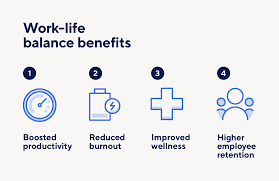
When you achieve good work-life balance, you often see benefits in both areas. You might feel less stressed at work. This can make you more focused and productive.
You might also feel more energized for your personal life. This means you can enjoy time with loved ones more. You can also pursue hobbies or simply relax without work worries hanging over you.
My Own Wake-Up Call
I remember a time when my work was everything. I worked late nearly every night. Weekends were often spent catching up on emails or projects.
I lived in a constant state of low-grade panic. My apartment lights were often the last ones on in the building. My eyes felt gritty from staring at the screen for too long.
I’d grab quick, unhealthy meals at my desk. My social life dwindled to almost nothing. My friends stopped calling as much because they knew I was always “busy.”
One Tuesday evening, I was hunched over my keyboard. My cat, Whiskers, jumped onto my lap. He started purring, a sound I hadn’t really noticed in months.
He nudged my hand away from the mouse. I looked at him, really looked at him. He seemed so peaceful.
In that moment, I felt a pang of deep sadness. I was missing out on these simple, beautiful moments. I was missing out on life itself.
My work was important, but it wasn’t my whole world. That night, I decided something had to change. I shut my laptop.
I actually played with Whiskers. It felt strange but good. It was a small step, but it was a start.
Recognizing the Signs
It’s easy to ignore the signs that your work-life balance is off. But they are usually there. Look for these common indicators:
- Feeling tired and drained often.
- Losing interest in hobbies or things you used to enjoy.
- Having trouble sleeping or staying asleep.
- Feeling irritable or snapping at loved ones.
- Constantly thinking about work, even during free time.
- Skipping meals or eating unhealthy food because you’re rushed.
Setting Clear Boundaries
One of the most effective ways to improve work-life balance is by setting clear boundaries. This means deciding when your workday starts and ends. It also means deciding when you will and won’t check work emails or take calls.
These boundaries protect your personal time and energy. They help you recharge. They also help you be more focused when you are working.
For example, you might decide that your workday ends at 5:30 PM. After that time, you put your work phone away. You avoid checking your work email.
This might feel hard at first. You might worry about missing something important. But most urgent matters can wait until the next day.
Your brain needs a break to perform at its best. This boundary helps you signal to yourself and others that your work time is over.
Another boundary could be about your workspace. If you work from home, try to have a dedicated office space. When your workday is done, leave that space.
Close the door. This physical separation helps your mind switch off. It makes it easier to leave work at work.
If you don’t have a separate room, try a specific desk or even a designated corner. The key is to create a clear division.
Boundaries in Action
- Define your work hours: Stick to them as much as possible.
- Communicate your availability: Let colleagues know when you are and aren’t reachable.
- Turn off notifications: Silence work-related alerts on your personal devices outside of work hours.
- Create a “shutdown ritual”: A small routine to signal the end of your workday. This could be tidying your desk or making a to-do list for tomorrow.
- Say “no” when needed: Don’t overcommit yourself. It’s okay to decline tasks if you’re already overloaded.
Prioritize and Plan
Feeling overwhelmed often comes from trying to do too much. Prioritizing helps you focus on what’s truly important. Planning makes sure those important things get done.
This applies to both your work and your personal life. It’s about being intentional with your time.
At work, identify your most important tasks. These are the tasks that have the biggest impact. Use tools like to-do lists or a planner.
Break down large projects into smaller, manageable steps. This makes them feel less daunting. Schedule time for these key tasks.
Treat them like important appointments you can’t miss.
In your personal life, do the same. What do you want to achieve or enjoy outside of work? Maybe it’s exercising three times a week.
Perhaps it’s spending one evening a week with your family, device-free. Or maybe it’s dedicating an hour each weekend to a hobby. Schedule these activities.
Put them on your calendar. This makes them real. It shows you value them.
Planning Your Week
| Time Slot | Monday | Tuesday | Wednesday | Thursday | Friday |
|---|---|---|---|---|---|
| Morning (Work Focus) | Project A | Project A | Client Meeting | Project B | Project B |
| Lunch Break | Walk/Mindfulness | Eat away from desk | Read | Quick Errands | Social Lunch |
| Afternoon (Work/Admin) | Emails/Admin | Project B Prep | Team Sync | Follow-ups | Weekly Review |
| Evening (Personal) | Gym | Family Dinner | Hobby Time | Connect with Friend | Relax/Movie |
Embrace Technology Wisely
Technology can be a double-edged sword when it comes to work-life balance. It can help us be more efficient and connected. But it can also blur the lines between work and personal life.
It’s important to use technology intentionally.
Use productivity apps to manage your tasks and schedule. Explore tools that help you automate repetitive work. Cloud storage and collaboration platforms can make working from different locations easier.
However, be mindful of constant connectivity. Constant notifications can pull you away from what you’re doing. They can disrupt your focus and your peace.
Consider setting specific times to check emails and messages. This stops you from being constantly interrupted. Turn off notifications for non-urgent apps.
Make sure your personal devices are truly personal. Don’t let work emails flood your personal phone if you can avoid it. Using separate devices or profiles for work can be very helpful.
Smart Tech Use
Tools to Explore:
- Task Management: Todoist, Asana, Trello
- Calendar Apps: Google Calendar, Outlook Calendar
- Note-Taking: Evernote, OneNote
- Focus Apps: Forest, Freedom
Things to Limit:
- Constant email checking.
- Social media during work hours.
- Working on personal devices after hours.
Learn to Delegate
Feeling like you have to do everything yourself is a fast track to burnout. Delegation is a skill that can significantly improve your work-life balance. It means entrusting tasks to others.
This frees up your time and energy. It also helps others grow and develop their skills.
In a professional setting, this might mean assigning tasks to team members. Make sure they have the skills and resources to complete them. Provide clear instructions.
Offer support but avoid micromanaging. Trust them to do the job. For instance, if you’re a manager, you can delegate project components to your team.
This allows you to focus on higher-level strategy.
Delegation isn’t just for managers. Even without direct reports, you can delegate in other ways. Can you ask a colleague for help with a specific part of a project?
Can you outsource certain chores at home? Hiring a cleaning service or a lawn care professional are forms of delegation. They give you back valuable personal time.
This frees you up to do things you truly enjoy or need to do.
Take Regular Breaks
It might seem counterintuitive, but taking breaks can actually make you more productive. Pushing through fatigue leads to mistakes. It also reduces creativity.
Short, regular breaks throughout the day are essential for maintaining focus and energy.
Try the Pomodoro Technique. This involves working in focused bursts, typically 25 minutes long. After each burst, you take a 5-minute break.
After four “pomodoros,” you take a longer break of 15-30 minutes. During your breaks, step away from your screen. Stretch your legs.
Look out a window. Get some fresh air if possible. These micro-breaks help refresh your mind.
Longer breaks are also vital. Your lunch break should be a true break. Don’t eat at your desk while working.
Get up. Move around. Connect with a colleague.
Even a short walk around the block can make a big difference. Also, don’t forget to use your vacation days. These longer breaks are crucial for deep rest and recovery.
They allow you to disconnect and truly recharge.
The Power of Pausing
What to do on a break:
- Stretch your body.
- Take a few deep breaths.
- Walk around, even just a few steps.
- Drink some water.
- Listen to a song.
- Look at something in nature.
Cultivate a Support System
You don’t have to navigate the challenges of work-life balance alone. Having a strong support system is incredibly valuable. This includes people at work and in your personal life.
At work, build positive relationships with colleagues. A supportive team can help share the load during busy times. They can offer advice and encouragement.
Sometimes, just knowing you have someone to talk to about work stress makes a huge difference. Your manager can also be a source of support. Discuss your workload and any challenges you’re facing.
A good manager will want to help you succeed and thrive.
Outside of work, lean on your friends and family. Share your struggles and your small victories. Let them know what you need.
Maybe you need someone to pick up the kids one day. Perhaps you just need a listening ear. Don’t be afraid to ask for help.
Conversely, be there for them too. A strong support network is a two-way street. It makes life richer and more manageable.
Make Time for Self-Care
Self-care is not selfish; it’s essential. It’s the practice of taking care of your mental, physical, and emotional health. When you prioritize self-care, you have more to give to your work and your loved ones.
It’s like filling your own cup so you don’t run dry.
What self-care looks like can vary for everyone. It could be exercise, meditation, reading, spending time in nature, or pursuing a hobby. It might be ensuring you get enough sleep.
It could be eating nutritious meals. Even taking 15 minutes to just sit quietly with a cup of tea counts. The key is to find activities that truly replenish you and schedule them in.
Think about what brings you joy and relaxation. What activities make you feel refreshed and energized? Make a list.
Then, actively schedule these into your week. Treat them with the same importance as a work meeting. If you feel guilty about taking time for yourself, remind yourself why you’re doing it.
You’re doing it to be a better employee, a better partner, a better friend, and a happier person.
Self-Care Ideas
Physical:
- Go for a walk or run.
- Do yoga or stretching.
- Get enough sleep.
- Eat healthy foods.
Mental/Emotional:
- Meditate for a few minutes.
- Journal your thoughts.
- Practice mindfulness.
- Spend time on a hobby.
- Connect with loved ones.
Re-evaluate Your Goals
Your priorities and goals can change over time. What was important five years ago might not be as important now. Regularly re-evaluating your goals helps ensure you are spending your time and energy on things that truly matter to you.
Take time periodically to ask yourself: What do I want my life to look like? What are my career goals? What are my personal goals?
Are these still aligned? Sometimes, you might realize that a current job or a specific commitment is no longer serving you. This realization can be powerful.
It can motivate you to make necessary changes, even if they seem difficult.
This re-evaluation might lead you to seek a different role. It could mean negotiating more flexible hours. It might involve cutting back on certain commitments.
It could also mean deciding to invest more time in a particular personal pursuit. The point is to be proactive. Don’t let life happen to you.
Be the driver of your own life.
Goal Check-In Questions
Work:
- Does my current role align with my long-term career vision?
- Am I learning and growing in ways I want?
- Does my workload feel manageable and sustainable?
Personal:
- Am I spending enough time on my relationships?
- Am I nurturing my hobbies and interests?
- Am I taking care of my physical and mental health?
Learn to Say No
This is a tough one for many people. We often want to be helpful and agreeable. But saying “yes” to everything can lead to overcommitment.
Learning to say “no” politely and assertively is a crucial skill for maintaining balance.
Before you agree to a new task or commitment, pause. Consider your current workload and your existing priorities. Do you genuinely have the time and energy for this?
If the answer is no, or even a hesitant maybe, it’s okay to decline. You can say something like, “Thank you for thinking of me, but I’m unable to take on any new projects right now.” Or, “I appreciate the offer, but I need to focus on my current commitments.”
Saying no isn’t about being unhelpful. It’s about being realistic and responsible. It’s about protecting your own time and energy so you can do your best work on the things you’ve already committed to.
When you say no to things that don’t align with your priorities, you make space to say yes to the things that do.
When to Seek Professional Help
Sometimes, despite your best efforts, work-life balance remains elusive. If you’re experiencing persistent stress, anxiety, or symptoms of burnout, it might be time to seek professional help. A therapist or counselor can provide strategies and support.
Mental health professionals can help you identify underlying issues. They can teach you coping mechanisms. They can also help you challenge negative thought patterns that might be contributing to your imbalance.
Don’t hesitate to reach out. Taking care of your mental health is a vital part of achieving overall well-being.
FAQs About Work-Life Balance
What is the definition of work-life balance?
Work-life balance is about finding a healthy equilibrium between your professional responsibilities and your personal life. It means having enough time and energy for both your job and the things that are important to you outside of work, such as family, friends, hobbies, and self-care.
Is work-life balance achievable for everyone?
Achieving perfect work-life balance can be challenging, as life circumstances vary greatly. However, striving for a healthier balance is possible for most people. It often involves making conscious choices, setting boundaries, and prioritizing your well-being.
How can I improve my work-life balance if I have a demanding job?
If you have a demanding job, focus on setting strict boundaries around your work hours. Learn to delegate tasks when possible, prioritize ruthlessly, and ensure you take regular breaks. Communicate your needs and limitations to your manager and colleagues.
What are the signs of poor work-life balance?
Signs include persistent fatigue, increased irritability, trouble sleeping, loss of interest in hobbies, frequent illness, and feeling overwhelmed or resentful about work.
How important is self-care for work-life balance?
Self-care is extremely important. It’s not selfish; it’s necessary for maintaining your physical, mental, and emotional health. When you prioritize self-care, you have more energy and resilience to handle both your work and personal life effectively.
Can technology help or hurt work-life balance?
Technology can be a double-edged sword. It can improve efficiency and connectivity, but also blur the lines between work and personal life through constant notifications. Using technology wisely and intentionally is key.
Finding Your Rhythm
Achieving work-life balance is an ongoing journey, not a destination. It requires continuous effort and adjustment. Be patient with yourself.
Celebrate the small wins along the way. By implementing these strategies, you can move towards a more fulfilling and harmonious life.