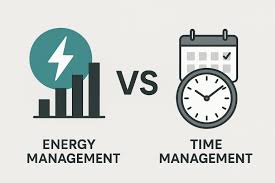
This is where the conversation about energy management versus time management really opens up. It’s a powerful idea because it shifts our focus from a limited resource—time—to a renewable one—energy. Let’s dive in and explore how understanding and nurturing your personal energy can unlock a level of productivity and well-being you might not have thought possible.
The core idea is that while time is fixed, your personal energy levels fluctuate. Effectively managing your energy allows you to make the most of the time you have, leading to better results and less burnout. This approach focuses on renewal and strategic deployment of your most vital resource.
What Is Energy Management?
Think about your day. Some moments you feel sharp and ready. Other times, you’re dragging your feet.
That’s your energy talking. Energy management is all about understanding these ups and downs. It means figuring out what gives you energy and what drains it.
Then, you learn to protect your energy and use it when you need it most.
It’s not just about feeling awake. It’s about having the mental sharpness, emotional resilience, and physical stamina to do your best work and live your life fully. We all have different types of energy.
There’s physical energy, like your stamina. There’s emotional energy, which is about your feelings and mood. Mental energy is your focus and ability to think clearly.
And there’s also spiritual energy, which is about your sense of purpose and connection.
When we talk about energy management, we’re really talking about a holistic approach. It’s about nurturing all these different kinds of energy. It means eating well, sleeping enough, and moving your body.
It also means managing stress, staying positive, and finding joy. It’s about creating a life where you have plenty of these resources to draw upon.
What Is Time Management?
Time management is what most of us are familiar with. It’s about using your hours wisely. You make to-do lists.
You set deadlines. You try to avoid distractions. The goal is to fit more tasks into your day.
You might use tools like calendars and planners. You might learn techniques like time blocking or the Pomodoro method. These all aim to make your time more efficient.
The underlying idea is that time is a precious, non-renewable resource. Once an hour is gone, it’s gone forever. So, the key is to not waste it.
You want to be productive. You want to achieve your goals. You want to get things done on schedule.
This often involves planning, prioritizing, and executing tasks in a structured way.
It’s about making sure that when you sit down to work, you’re making the best use of that specific block of time. You might schedule important tasks when you know you’re usually most alert. Or you might batch similar tasks together to save mental switching costs.
It’s a system for organizing and controlling how you spend your hours.
Energy Management Versus Time Management: The Key Differences
The biggest difference is what you’re trying to manage. With time management, you’re managing the clock. You’re looking at your calendar and your to-do list.
You’re trying to fit everything in. It’s like trying to pack more clothes into a suitcase. You might fold them smaller or arrange them carefully.
With energy management, you’re managing yourself. You’re looking at your internal state. You’re asking, “How do I feel right now?” You’re thinking about what you need to feel your best.
It’s more like making sure you have enough energy to pack the suitcase in the first place. It’s about having the strength and focus to do the packing well.
Time management often focuses on doing more. It’s about quantity of tasks. Energy management focuses on doing better.
It’s about the quality of your work and your well-being. You can be busy all day and get very little done if your energy is low. But with high energy, you can accomplish a lot in less time.
You can be more creative, more focused, and make fewer mistakes.
Here’s a simple way to see it: Time management helps you use your hours. Energy management helps you fill those hours with your best performance. One is about external structure.
The other is about internal state. Both are important, but many experts now believe that energy management is the foundation upon which effective time management is built. You need energy to actually do the things you plan in your time management system.
Why Energy Management Matters More
I remember a time a few years back. My work was piling up. I felt like I was always behind.
I tried to cram more tasks into my day. I woke up earlier. I stayed up later.
I made elaborate schedules. But I just felt more exhausted. My work quality suffered.
I was grumpy. It felt like a losing battle.
One evening, I was staring at my computer screen, completely drained. I’d ticked off maybe three things from my list, but I felt like I’d run a marathon. I realized something was off.
I wasn’t just lacking time; I was lacking energy. My body and mind were telling me to stop, but I was pushing them harder. That’s when I started looking into energy management.
I began to pay attention to my own rhythms. I noticed I was most alert and creative in the morning. After lunch, I’d hit a slump.
Late afternoon was good for focused, less demanding tasks. I started shifting my most important work to my peak times. I also started scheduling breaks.
Real breaks. Not just checking my phone, but stepping away, stretching, or just closing my eyes for a few minutes.
I started paying attention to sleep. I made sure to eat foods that gave me sustained energy, not just a quick sugar rush. I even started a short walk during my workday.
It seemed counter-intuitive. “I don’t have time for a walk!” I thought. But after the walk, I always felt more refreshed and focused.
It was like recharging a battery.
The amazing thing was that by focusing on my energy, my time management improved naturally. I got more done in less time. My focus was better.
I made fewer errors. I even felt happier and less stressed. It wasn’t about cramming more in.
It was about having the capacity to do the things that mattered well.
This personal experience showed me that while time is a constraint, energy is your fuel. You can have all the time in the world, but if you’re running on empty, you won’t get very far. Nurturing your energy allows you to be more present, more effective, and more resilient.
It transforms your relationship with your work and your life.
Energy Types We Need to Manage
Think of your energy like a multi-faceted resource. To truly thrive, you need to tend to each aspect.
- Physical Energy: This is your body’s fuel. It’s about how much stamina you have. Good sleep, healthy food, and regular movement boost this.
- Emotional Energy: This is your capacity to handle feelings. Positive relationships and managing stress help build this.
- Mental Energy: This is your ability to focus and think. Breaks, mindfulness, and avoiding too much multitasking improve this.
- Spiritual Energy: This is your connection to purpose. Doing work you care about and living by your values feeds this.
How Energy Management Enhances Time Management
When you are running on full energy, your time becomes much more productive. Let’s break this down. Imagine you have a complex report to write.
If you’re tired and unfocused, it might take you five hours, and the result might be okay, but not great. You’ll likely make mistakes that need fixing later.
Now, imagine you’re well-rested and focused. You tackle that same report when your mental energy is high. It might take you two hours.
The report will be clearer, more insightful, and have fewer errors. That’s two hours of high-quality work versus five hours of mediocre work. You’ve essentially ‘saved’ three hours, not by managing your time better, but by managing your energy better.
This is the core of it. High energy leads to high-quality output. This means you get more done in less time.
Your decisions are sharper. Your problem-solving skills are better. You can handle challenges with more grace.
Instead of just filling time, you are making that time count.
Think about it like this: Time is the road. Energy is the car and the fuel. You can drive a beat-up car with no gas for a long time, but you won’t get very far.
A fast, well-maintained car with plenty of fuel can cover the same distance much faster and more efficiently. Energy management is about ensuring you have the best car and plenty of fuel for the journey.
When your energy is low, you tend to procrastinate. You get easily distracted. You make poor choices about what to work on.
This is wasted time. By managing your energy, you reduce these time-wasting behaviors. You become more naturally efficient.
You can then use traditional time management techniques more effectively because you actually have the capacity to execute your plans.
Myth vs. Reality: Time vs. Energy
Myth: More Time Means More Done
The idea that simply having more hours available guarantees more output is often false. Low energy can make time feel wasted.
Reality: More Energy Means Better Use of Time
When you have high energy, you accomplish more, and do it better, in the time you have. Quality trumps quantity.
Myth: Working Longer Hours is Always Productive
Pushing past your energy limits often leads to diminishing returns and increased errors. Burnout is a real risk.
Reality: Strategic Breaks and Renewal Boost Productivity
Resting and recharging your energy allows for sustained high performance over time, not just short bursts.
Understanding Your Personal Rhythms (Chronotype)
Have you ever noticed that some people are morning larks and others are night owls? This isn’t just a preference; it’s often related to our chronotype. Your chronotype is your body’s natural inclination to be active or sleepy at certain times of the day.
Understanding yours can be a game-changer for both energy and time management.
Most of us have our highs and lows throughout the day. For some, the morning is peak performance time. For others, it might be the afternoon or even late at night.
When you work with your natural rhythms instead of against them, you use your energy more wisely. You schedule your most demanding tasks when your energy levels are naturally higher.
For example, if you’re a morning person, you might schedule your most complex problem-solving or creative work right after breakfast. You’d use the late afternoon for less taxing tasks like responding to emails or planning. If you’re a night owl, you might do the opposite.
You’d use your peak evening hours for deep work and save mornings for lighter duties.
This isn’t about being lazy. It’s about being smart. It’s about aligning your efforts with your internal biological clock.
Forcing yourself to do complex thinking when your brain is naturally winding down is like trying to drive uphill with the parking brake on. It’s inefficient and exhausting. It drains your energy and makes your time feel less productive.
I found that knowing my own rhythm was key. I used to force myself to be productive early in the morning, even when I felt foggy. It was a struggle.
Now, I allow myself a bit more time to wake up. I start with something easier, like checking a few messages or light reading. Then, I launch into my most important work when I feel truly ready.
This makes a huge difference in how I feel and what I achieve.
To figure out your rhythm, try keeping a simple log for a week. Note down your energy levels and your focus throughout the day. What times do you feel most alert?
When do you start to feel tired? What activities seem to drain you the fastest? This self-observation is the first step to working with your natural flow.
Quick Scan: Your Daily Energy Flow
| Time of Day | Energy Level (Low/Medium/High) | Best Tasks |
|---|---|---|
| Morning (e.g., 7 AM – 10 AM) | . | . |
| Late Morning (e.g., 10 AM – 12 PM) | . | . |
| Afternoon (e.g., 1 PM – 4 PM) | . | . |
| Late Afternoon/Early Evening (e.g., 4 PM – 6 PM) | . | . |
Fill this in by observing your own energy over a few days.
The Role of Renewal and Recovery
This is where energy management really shines. Time management often focuses on doing. Energy management focuses on doing and renewing.
You can’t pour from an empty cup, right? That’s why recovery is just as important as effort. You need to plan for rest and recharging.
This means more than just sleeping. It means taking intentional breaks during your workday. It could be a short walk outside, a few minutes of meditation, listening to music, or even just chatting with a colleague about something non-work related.
These small moments help reset your focus and prevent mental fatigue.
At a larger scale, it means taking your weekends seriously. It means using your vacation time. It means engaging in activities that truly replenish you.
For some, that’s a hobby. For others, it’s spending time with loved ones or being in nature. The key is that these activities must actively restore your energy, not just pass the time.
Without proper renewal, you’ll eventually hit a wall. Your performance will drop, your mood will suffer, and you’ll become more prone to mistakes and burnout. Time management techniques won’t help much if you don’t have the energy to implement them.
You need to build recovery into your schedule just like you build in meetings or tasks.
I’ve seen this in my own life. When I started scheduling “recharge time” into my week – like a dedicated hour for reading a novel or going for a long bike ride – I found I was much more productive during my work hours. The small investment in recovery paid off big time in sustained output and overall well-being.
It’s also about understanding what kind of renewal works best for you. Some people recharge through social interaction. Others need solitude.
Some enjoy physical activity. Others prefer quiet reflection. Experiment to find what truly fills your energy reserves.
This personalized approach makes energy management so powerful.
Strategic Renewal: Quick Tips
- Micro-Breaks: Every 60-90 minutes, step away from your work for 5-10 minutes. Stretch, walk around, look out a window.
- Lunch Break: Truly unplug during your lunch. Avoid eating at your desk while working.
- Evening Wind-Down: Create a routine to signal to your body that it’s time to relax. Limit screen time before bed.
- Weekend Recharge: Plan activities you enjoy that are different from your work. Spend time in nature or with people who energize you.
- Vacation: Don’t skip vacation days. They are essential for long-term productivity and preventing burnout.
When to Prioritize Energy Management
There are times when focusing on energy management is more critical than trying to squeeze more tasks into your day. If you’re feeling consistently tired, stressed, or overwhelmed, that’s a big sign. When your work quality starts to suffer, or you’re making more mistakes, your energy is likely depleted.
If you’re experiencing burnout symptoms – like cynicism, detachment, or a sense of ineffectiveness – energy management is crucial. Trying to power through with more time management strategies will likely make it worse. You need to replenish your reserves first.
Another sign is when you feel constantly rushed or anxious, even when your schedule looks manageable. This often means you’re not managing your internal state. You’re not managing your stress or your emotional energy effectively.
This is where energy management steps in to help you find calm and control.
Consider your current life stage. Are you going through a particularly demanding period, like a major project at work, a family illness, or a significant life transition? During these times, your energy demands are higher.
Focusing on conserving and renewing your energy becomes paramount. It’s not about doing less; it’s about doing what you can do sustainably.
Even when things are going well, a proactive approach to energy management can prevent future problems. By building healthy habits that boost your energy, you create a more resilient foundation. This makes you better equipped to handle the inevitable challenges that life throws your way.
It’s like building up your immune system so you’re less likely to get sick.
In essence, prioritize energy management when you feel your physical, mental, or emotional resources are consistently low, or when your ability to perform well is being impacted. It’s the foundation for sustainable productivity and well-being.
When to Switch Focus: Time vs. Energy
Prioritize TIME MANAGEMENT When:
- You have clear tasks and deadlines.
- You have sufficient energy but need to organize your efforts.
- You need to improve efficiency and reduce wasted minutes.
- Your goals are primarily task-oriented.
Prioritize ENERGY MANAGEMENT When:
- You feel tired, stressed, or overwhelmed.
- Your work quality is declining.
- You’re experiencing burnout symptoms.
- You need to improve focus and reduce errors.
- Your goal is sustainable well-being and performance.
Practical Strategies for Energy Management
Let’s get practical. How do you actually do energy management? It’s not just about wishing you had more energy.
It’s about making conscious choices every day. Here are some strategies that I’ve found incredibly helpful, and that are backed by research.
1. Optimize Sleep: This is non-negotiable. Aim for 7-9 hours of quality sleep each night.
Establish a consistent sleep schedule, even on weekends. Create a relaxing bedtime routine. Make your bedroom dark, quiet, and cool.
Good sleep is the bedrock of physical and mental energy.
2. Fuel Your Body Wisely: What you eat directly impacts your energy levels. Focus on whole foods like fruits, vegetables, lean proteins, and healthy fats.
Limit processed foods, excessive sugar, and caffeine, especially later in the day. Stay hydrated by drinking plenty of water throughout the day.
3. Move Your Body Regularly: Exercise isn’t just for fitness; it’s a powerful energy booster. Even a brisk 20-30 minute walk can significantly increase your alertness and mood.
Find activities you enjoy, whether it’s dancing, swimming, or cycling. Regular movement helps your body work more efficiently.
4. Practice Mindfulness and Stress Reduction: Chronic stress is a huge energy drain. Incorporate mindfulness practices like meditation, deep breathing exercises, or yoga.
Even a few minutes a day can make a difference. Learning to manage your reactions to stress is key.
5. Connect with Your Values: Spiritual energy comes from feeling a sense of purpose and connection. Spend time doing things that matter to you.
This could be through your work, hobbies, or volunteering. Understanding your core values and living in alignment with them provides a deep well of energy.
6. Manage Your Social Energy: Some people are energized by social interaction, while others find it draining. Be mindful of who and what kind of interactions leave you feeling good.
Schedule time with positive, supportive people. If certain social situations drain you, set boundaries or limit your exposure.
7. Protect Your Mental Space: Avoid constant multitasking, which fragments your attention and drains mental energy. Try to focus on one task at a time.
Set boundaries around notifications and emails. Schedule focused work blocks when you can concentrate without interruption.
8. Learn to Say No: Overcommitment is a fast track to burnout. Be realistic about what you can handle.
Saying no to requests that don’t align with your priorities or that will overextend you is an act of self-care and energy preservation.
These strategies aren’t quick fixes. They require consistent effort and a shift in mindset. But the payoff in sustained energy, focus, and overall well-being is enormous.
They are the building blocks for effective energy management.
Integrating Energy and Time Management
The most powerful approach is to blend both energy and time management. They aren’t mutually exclusive; they are complementary. Think of it as having a well-tuned car (energy management) and a smart navigation system (time management).
Start by assessing your energy levels. When are you most productive? What drains you?
Use this information to schedule your most important tasks during your peak energy times. This is where your time management system becomes truly effective. You’re not just filling time; you’re filling it with your best self.
For example, you might use a planner to block out your “deep work” sessions in the morning when your mental energy is high. Then, you schedule less demanding tasks, like answering emails or attending meetings, for times when your energy might be lower. You also actively schedule in breaks and renewal activities.
If you have a major project deadline, you might need to be more strategic about both. You’ll ensure you’re getting enough sleep and eating well to support the increased demands. You’ll also use time blocking to dedicate specific hours to the project.
You might even adjust your social schedule to conserve energy.
The key is to create a flexible system. Life happens, and your energy levels will fluctuate. Your plan should be able to adapt.
If you wake up feeling run down, don’t force yourself to tackle the hardest task. Re-evaluate. Maybe swap tasks, take an extra break, or even postpone a non-urgent item if possible.
This integrated approach leads to a more sustainable way of working and living. You’re not just managing your day; you’re managing your capacity to do your day well. It leads to greater achievement with less stress and more fulfillment.
It’s about working smarter, not just harder or longer.
The Synergy: Energy + Time
When you master your energy, you unlock the potential of your time.
- Peak Energy + Focused Task: Imagine completing a complex task in 2 hours instead of 5 because you did it when you were at your best. That’s energy management boosting time efficiency.
- Planned Breaks + Sustained Focus: Regular breaks prevent burnout, allowing you to stay focused for longer stretches, making your scheduled work time more productive.
- Rest and Renewal + Better Decision-Making: When you’re well-rested, you make better choices about how to spend your time, avoiding time-wasting activities.
- Aligned Schedule + Reduced Stress: Scheduling demanding tasks when you have high energy and easier tasks when you don’t reduces anxiety and makes your day flow more smoothly.
When to Worry: Signs Your Energy Is Dangerously Low
While fluctuating energy is normal, there are times when consistently low energy signals a more serious problem. It’s important to recognize these signs so you can seek appropriate help. Persistent fatigue that doesn’t improve with rest can be a sign of underlying health issues.
If you’re experiencing significant changes in your mood, such as prolonged sadness, irritability, or a loss of interest in activities you once enjoyed, it’s a red flag. These could be symptoms of depression or anxiety, which heavily impact energy levels. Consulting a mental health professional is crucial.
Physical symptoms like unexplained weight loss or gain, chronic pain, digestive issues, or a weakened immune system (getting sick often) can also be tied to depleted energy reserves. These symptoms warrant a visit to your doctor to rule out medical conditions.
Cognitive issues like severe brain fog, difficulty concentrating for extended periods, memory problems, or confusion are also concerning. While stress can cause temporary fogginess, persistent and severe issues need medical attention.
If you find yourself relying heavily on stimulants like excessive caffeine or sugar to get through the day, or if you’re experiencing frequent headaches or sleep disturbances, it indicates your body is under significant strain. These are often coping mechanisms for deeper energy depletion.
The key is to listen to your body. If your low energy is chronic, impacts your daily functioning, or is accompanied by other worrying symptoms, don’t ignore it. It’s a sign that your body and mind need more than just better planning; they need professional assessment and care.
Organizations like the National Institutes of Health (NIH) or the Centers for Disease Control and Prevention (CDC) offer resources on understanding fatigue and its potential causes.
Conclusion: Embrace Your Energy
So, as you can see, the conversation around energy management versus time management is really about a deeper understanding of ourselves. While time is a constant, our energy ebbs and flows. By focusing on how to nurture and strategically use our physical, emotional, mental, and spiritual energy, we can unlock a level of productivity and well-being that simply trying to cram more into our day can never achieve.
It’s a shift from managing an external constraint to mastering an internal resource. It’s about building a life where you have the fuel to do what matters, consistently and joyfully. Start by observing your own rhythms, prioritizing rest and renewal, and making conscious choices that support your energy.
You’ll find that your time, and your life, will thank you for it.