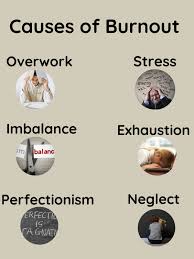
Signs of burnout include feeling exhausted, cynical about your work, and less effective at tasks. It’s a state of emotional, physical, and mental exhaustion caused by too much stress. It often happens when you’ve been feeling overwhelmed and unable to meet constant demands.
What is Burnout?
Burnout is more than just feeling tired. It’s a deep exhaustion that builds up over time. It affects how you feel, think, and act.
You might feel stressed out a lot. Your body and mind feel worn down. It’s like a battery that’s been drained too low.
This happens when the stress from your job or other parts of your life is too much. You might feel like you can’t keep up with demands. Your efforts don’t seem to make a difference.
This feeling grows over weeks and months.
It’s important to know that burnout is not a medical diagnosis. But it can lead to real health problems. It can affect your mood, your sleep, and your physical health.
It can even make you sick more often.
My Own Brush with Burnout
I remember a time a few years back. I was working on a big project. It had a tight deadline.
I was working late nights and weekends. I thought pushing harder was the answer. I stopped seeing friends.
I skipped meals. Sleep was a luxury I couldn’t afford.
One Tuesday morning, I sat at my desk. The computer screen blurred. I stared at it but nothing made sense.
A wave of dread washed over me. I felt a hollow ache in my chest. My usual energy was gone.
It was replaced by a heavy fog.
I felt so detached from my work. Things that used to excite me now felt like a chore. I snapped at a colleague.
It was unlike me. I realized something was seriously wrong. I wasn’t just tired; I was utterly depleted.
That day was a wake-up call.
Key Feelings of Burnout
Emotional Exhaustion: Feeling drained and unable to cope.
Cynicism and Detachment: Losing interest in your job or tasks. Feeling negative about them.
Reduced Personal Accomplishment: Feeling like you’re not doing a good job. Doubting your abilities.
The Three Pillars of Burnout
Experts talk about three main signs of burnout. These are the core feelings that show up. They are like the foundation of this drained state.
The first is emotional exhaustion. This is when you feel empty. You have nothing left to give.
It’s like running on fumes. Your energy reserves are gone. You feel drained of life force.
Second is depersonalization. Some call this cynicism. You start to feel distant from others.
You might become irritable or impatient. You could even treat people like objects. It’s a way to protect yourself from more stress.
The third pillar is a sense of ineffectiveness. You feel like you’re not good at what you do. Your accomplishments seem small.
You doubt your skills. This makes it hard to feel good about yourself.
Common Burnout Triggers
- Too much work
- Not enough control
- Lack of reward or recognition
- Poor relationships at work
- Unfairness
- Conflicting values
Physical Signs You Might Be Burned Out
Burnout isn’t just in your head. It shows up in your body too. Your physical health can take a hit.
You might start to notice new aches and pains. Your immune system can weaken.
Headaches are common. So are muscle tension and stomach problems. Some people find they get sick more often.
Colds and flu can linger longer. Sleep can become a real issue. You might have trouble falling asleep or staying asleep.
Or you might sleep too much.
Your appetite might change. You could eat more or less than usual. Your body is telling you something is wrong.
It’s under a lot of strain. These physical symptoms are important signals.
Quick Scan: Is It Stress or Burnout?
| Stress: | Burnout: |
| Too much pressure. | Feeling empty and drained. |
| Symptoms might be: worrying, frustration. | Symptoms might be: detachment, hopelessness. |
| You still have energy. | You lack energy. |
| You can still solve problems. | You have lost motivation. |
| Can feel urgent. | Feels like a deep, lasting exhaustion. |
Emotional and Mental Signs of Burnout
The emotional side of burnout is profound. You might feel sad or depressed. Anxiety can creep in.
You might feel irritable or short-tempered. Small things can set you off.
You can also lose interest in things you used to enjoy. Hobbies might seem like too much effort. Socializing can feel draining.
You might withdraw from friends and family. Your motivation can disappear.
Thinking clearly can become hard. You might find it difficult to focus. Your memory might not be as sharp.
Decision-making can feel overwhelming. It’s like your brain is in a fog.
Self-doubt is also a big part of this. You might question your abilities. You may feel like you’re not good enough.
This can affect your confidence in all areas of life.
Emotional Shifts to Watch For
- Increased irritability
- Feeling overwhelmed
- Loss of enjoyment
- Constant worry
- Feeling helpless
- Mood swings
Behavioral Changes Linked to Burnout
How you act can change when you’re burned out. You might start to change your habits. Some people begin to procrastinate more.
They put off tasks because they feel they can’t do them. Or they just don’t want to.
You might isolate yourself. You pull away from social events. You might start to use unhealthy coping mechanisms.
This could mean drinking more alcohol. Or eating junk food more often. Some people might turn to drugs.
Your work habits can suffer too. You might be late more often. You could miss deadlines.
Your quality of work might drop. You might even start calling in sick more. This is your body and mind telling you to stop.
You might also seem more careless. This isn’t because you don’t care. It’s because your ability to focus and pay attention is gone.
You’re just trying to get through the day.
Observational Flow: The Burnout Cycle
Phase 1: Stress Builds
Constant demands, feeling overwhelmed.
Phase 2: Exhaustion Sets In
Physical, mental, and emotional energy drains.
Phase 3: Cynicism Develops
Detachment from work and others. Negative outlook.
Phase 4: Ineffectiveness Surfaces
Doubting your abilities, reduced accomplishment.
Phase 5: Full Burnout
Deep exhaustion, lack of motivation, potential health issues.
When Burnout Hits Your Relationships
Burnout doesn’t just affect your work life. It spills into your personal life too. Your relationships can suffer.
When you’re drained, you have less patience. You have less energy for the people you love.
You might snap at your partner. You could be distant from your kids. You might avoid calls from friends.
This can make others feel hurt or confused. They might not understand what’s happening.
Your own relationships with yourself can also be damaged. You might be overly critical. You might feel guilty a lot.
It’s hard to be present with others when you’re not even present with yourself.
It’s important to remember that this isn’t your fault. Burnout is a response to chronic stress. But it does mean you need to address it.
Your loved ones want to help. But they can’t if they don’t know what’s going on.
Burnout and Your Loved Ones
What they might see: Irritability, withdrawal, lack of interest.
How it affects them: They may feel neglected or confused.
What helps: Open communication, setting boundaries, seeking support together.
Factors That Increase Burnout Risk
Certain things make you more likely to experience burnout. It’s not just about having a lot of work. It’s about how that work feels to you.
A lack of control is a big one. When you feel like you have no say in your tasks or schedule, it’s tough. Not feeling rewarded for your efforts is another factor.
If you work hard but get no thanks, it wears you down.
Poor relationships with colleagues or supervisors also play a role. A toxic work environment can drain you. Feeling like your values clash with your job’s values is also hard.
You might feel like you’re not doing meaningful work.
Having unclear expectations is another stressor. When you don’t know what’s expected, you can feel lost. Or you might feel like you’re constantly failing.
These factors combine to increase your risk.
Common Workplace Culprits
High Workload: Too many tasks, too little time.
Lack of Autonomy: Little control over your work.
Poor Feedback: No recognition for good work.
Toxic Culture: Conflict or lack of support.
Unfair Treatment: Inequities in workload or rewards.
Is It Stress, Depression, or Burnout?
It can be tricky to tell these feelings apart. They often overlap. But there are key differences.
Stress is usually about too much. You feel pressured. But you still feel like you can cope, maybe with some effort.
Depression is a medical condition. It affects your mood, energy, and thoughts. You might feel sad all the time.
You lose interest in everything. It’s a pervasive sadness. It affects your whole outlook on life.
Burnout is more specific. It’s tied to chronic stress, often from your job. It’s about feeling drained and cynical.
It’s a feeling of depletion. It’s like your personal resources are gone. You feel detached and ineffective.
If you’re not sure, it’s always best to talk to a doctor or therapist. They can help you figure out what’s going on. They can offer the right support.
Recognizing Burnout in Different Roles
Burnout can look different for everyone. It depends on your job and your life. A teacher might feel burned out from dealing with many students.
A nurse might feel it from long shifts and emotional demands.
A software developer might feel it from constant pressure to innovate. A parent might feel it from the endless demands of childcare. Even entrepreneurs can feel it.
They put so much into their businesses.
The core feelings are the same: exhaustion, cynicism, and ineffectiveness. But the specific triggers and manifestations can vary widely. What matters most is recognizing these core signs within yourself.
Spotting Burnout Clues
For Students: Constant fatigue, dreading school, feeling like you’re not learning.
For Caregivers: Feeling overwhelmed, resentful, unable to care for self.
For Service Workers: Feeling emotionally drained, detached from customers, cynicism about the job.
What Can You Do About Burnout?
The good news is you can take steps to manage burnout. It starts with recognizing the signs. Then, you need to make changes.
This often means setting better boundaries.
Learn to say no to extra tasks if you’re already overwhelmed. Prioritize your well-being. This might mean making time for rest, exercise, or hobbies.
Even small breaks can help.
Talk to your boss or HR department if your job is the main cause. See if there are ways to adjust your workload or responsibilities. Sometimes, a simple conversation can make a difference.
Seek support from friends, family, or a therapist. They can offer comfort and guidance. You don’t have to go through this alone.
Taking care of yourself is not selfish; it’s essential.
Actionable Steps to Consider
Set Boundaries: Learn to say no.
Prioritize Self-Care: Schedule rest and enjoyable activities.
Communicate Needs: Talk to your manager or colleagues.
Seek Support: Connect with friends, family, or a professional.
Re-evaluate Goals: Ensure they align with your values.
When to Seek Professional Help
If burnout symptoms are severe or persistent, it’s time to get professional help. A doctor can rule out other health issues. A therapist can help you develop coping strategies.
They can guide you in managing stress. They can help you rebuild your sense of self-worth. Therapy can provide a safe space to explore your feelings.
It can help you make lasting changes.
Don’t wait until you’re completely depleted. Reaching out for help is a sign of strength. It shows you’re ready to take control of your well-being.
Signs You Need to See a Professional
Persistent low mood or depression.
Anxiety that interferes with daily life.
Thoughts of self-harm or suicide.
Physical symptoms that are severe or worsening.
Inability to function at work or home.
Preventing Burnout Before It Starts
The best approach is often prevention. Building resilience is key. This means creating healthy habits.
It also means having a support system in place.
Regular exercise helps manage stress. Eating a balanced diet gives your body energy. Getting enough sleep is crucial for recovery.
Making time for hobbies and fun is also vital.
Learn to recognize early signs of stress. Don’t wait until you’re overwhelmed. Address small stressors before they grow.
Regular check-ins with yourself are important.
Think about what’s most important to you. Make sure your work and life align with those values. When your daily life feels meaningful, burnout is less likely.
Building Your Resilience Toolkit
- Mindfulness: Practicing being present.
- Healthy Habits: Exercise, nutrition, sleep.
- Social Connection: Nurturing relationships.
- Hobbies: Engaging in activities you enjoy.
- Setting Boundaries: Protecting your time and energy.
Frequently Asked Questions about Burnout
What is the main cause of burnout?
The main cause of burnout is prolonged, chronic stress. This stress often comes from feeling overwhelmed, lacking control, and not receiving enough support or reward for your efforts, typically in a work context.
Can burnout be reversed?
Yes, burnout can be reversed. It requires recognizing the signs and making significant changes to manage stress, set boundaries, and prioritize self-care. Recovery takes time and consistent effort.
Is burnout a mental illness?
Burnout is not classified as a mental illness by major diagnostic manuals like the DSM-5. However, it is a serious response to chronic workplace stress and can significantly impact mental health, potentially leading to or worsening conditions like depression and anxiety.
How long does it take to recover from burnout?
The recovery time from burnout varies greatly. It can take weeks, months, or even longer. Factors like the severity of burnout, the changes made, and the level of support received all influence the recovery period.
Can you get burned out from things other than work?
While often associated with work, burnout can stem from other chronic stressors. Caregiving, parenting, major life changes, or dealing with ongoing personal challenges can also lead to similar feelings of exhaustion and depletion.
What are the first signs of burnout I should look for?
The first signs often include feeling unusually tired, having less enthusiasm for tasks, and becoming more irritable or cynical. Physical symptoms like headaches or sleep problems can also be early indicators.
Final Thoughts
Burnout is a real and challenging experience. It drains your energy and spirit. But by learning to spot its signs, you can take action.
Protecting your well-being is a continuous journey. Be kind to yourself. Seek support when you need it.